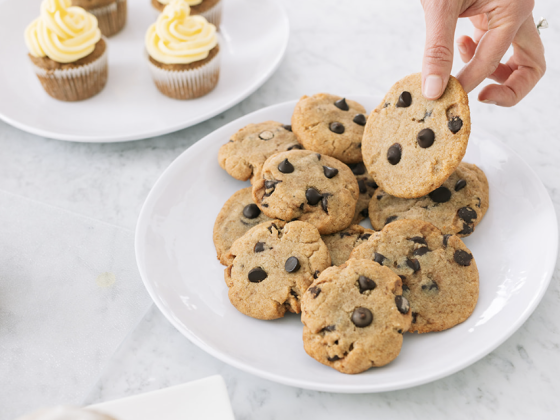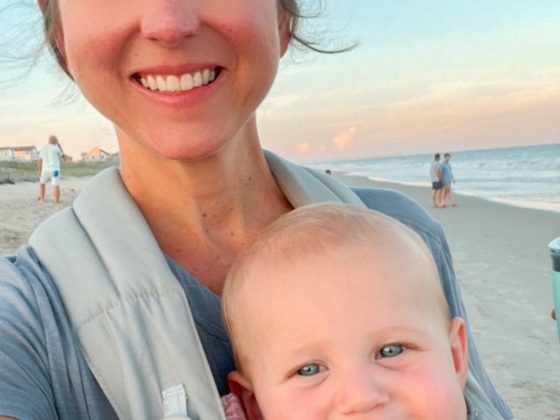

Seven months ago, I made the decision to eliminate added sugar from my diet as part of my gut-healing journey. I never thought this would be something I’d say. My sweet tooth felt as much a part of me as my blue eyes. And it wasn’t as though I was eating processed foods every day. I was enjoying a Healthified dessert every night after dinner, and sometimes after lunch too. Still, my sugar cravings felt intense and uncontrollable, which I later learned was a symptom of the gut issues I was dealing with.
Once I got over that initial hump, maintaining a sugar-free lifestyle has felt almost effortless. I really don’t miss it (or processed foods in general for that matter). That being said, there are some important caveats to consider. I also share below what I ate on a random Tuesday to provide you with a glimpse of how I navigate meal time.
Why Quitting Sugar Wasn’t About Restriction but Rather Self-Care
This is an important mindset shift. Making the decision to quit sugar didn’t come from a place of rigidity or restriction. Quite the opposite. After being diagnosed with SIBO and a parasitic infection, two issues often fueled by sugar, my only goal was to heal. Stepping away from added sugar felt surprisingly effortless because it came from a place of self-care. Within about ten days – maybe two weeks at most – my sugar cravings began to disappear. Once I reframed the decision as an act of support rather than punishment, going “sugar-free” finally felt sustainable. I stopped reached for sugar when I looked at food through the lens of “does this serve me?” and sugar never made the cut. I knew it would only make my symptoms worse. That made not choosing it a lot easier.
I Still Eat Fruit
I wish whole, real fruit wasn’t so often lumped in with the types of sugar we’re told to avoid. For a while, I bought into that fruit fear myself. Years ago, my social media feed was saturated with blood sugar discourse, primal nutrition, and warnings about fructose. At the time, it all sounded convincing; it made a lot of sense that fructose could be a culprit in our metabolically unhealthy society. But eventually, I released that fear. Sure, high fructose corn syrup is definitely something to avoid in my opinion, and eating too much fructose can impact satiety and brain signaling, but I believe this primarily refers to the sweetener found in processed food.
Today, I eat fruit every single day: stewed blueberries on my morning millet bowl, apple slices with lunch, a banana with my afternoon yogurt. And not only is my blood sugar just fine, I’m the leanest I’ve ever been and feel more regulated than I did when I was trying to control this variable.
It’s a reminder that nutrition isn’t one-size-fits-all. Science offers helpful frameworks, but lived experience fills in the gaps. In other words, real conclusions about how a food affects someone are always individual. Context matter, and every “body” is different. So for me, fruit has a permanent place in my sugar-free diet.
The One Sweetener I Didn’t Completely Eliminate
Honey has remained a part of my diet in very small amounts. Most mornings, I add about 1/8 teaspoon of raw local honey or Manuka honey to my coffee. Sometimes if I make a sauce or dressing for dinner, a tablespoon finds its way into that recipe as well. Yes it has sugar, but it also comes with nutritional benefits (I have done the research and I would even call Manuka honey in particular a superfood). Compared to how I was consuming sugar before, this feels like a clear win. This is an example of how health isn’t about perfection, and when used intentionally, can be thought of as supportive.
Sugar-Free Doesn’t Mean Low-Carb
Even on a “sugar-free” diet, I’m actually eating more carbohydrates than I have in the past decade. Whole-food carbohydrates like squash, potatoes, and certain gluten-free grains have been incredibly supportive to my digestion.
Once I increased these foods, my sugar cravings naturally decreased, and within about two weeks, they disappeared altogether. When my body was finally getting enough steady energy from real, nourishing carbohydrates, it stopped asking for quick hits of sugar.
If I Can Do It, So Can You
I used to eat dessert every single day (sometimes twice a day). My sweet tooth felt intense, and my sugar cravings felt uncontrollable, which I later learned was a reflection of the gut issues I was dealing with at the time.
If stepping away from sugar feels daunting, know that you don’t have to do it perfectly or all at once. With the right support and enough nourishment, cravings can dissipate and your tastebuds will adapt. And if reducing sugar is one of your goals, it may be more possible than it feels right now. If I can do it, so can you.
Here is What I Ate on a Random Tuesday
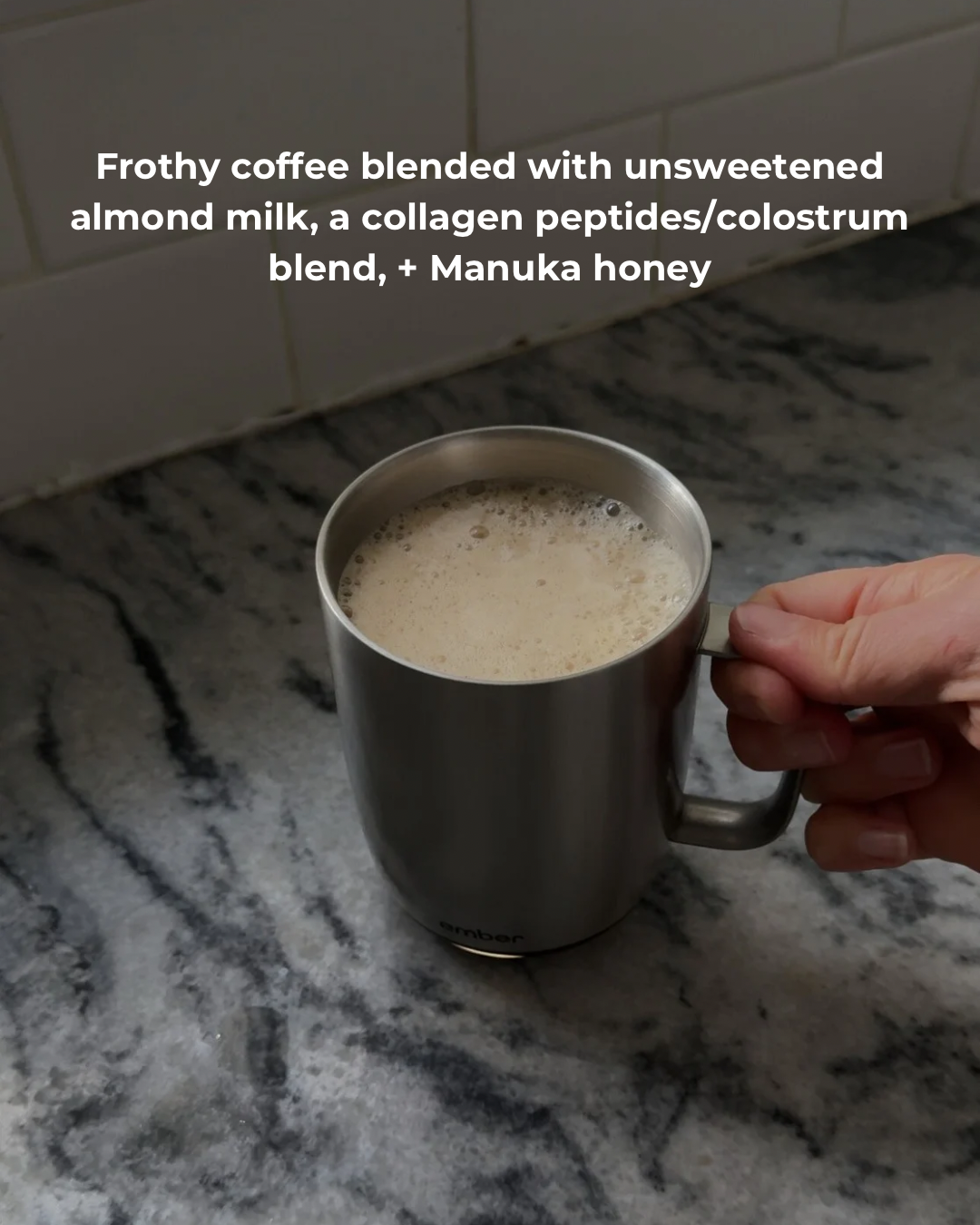
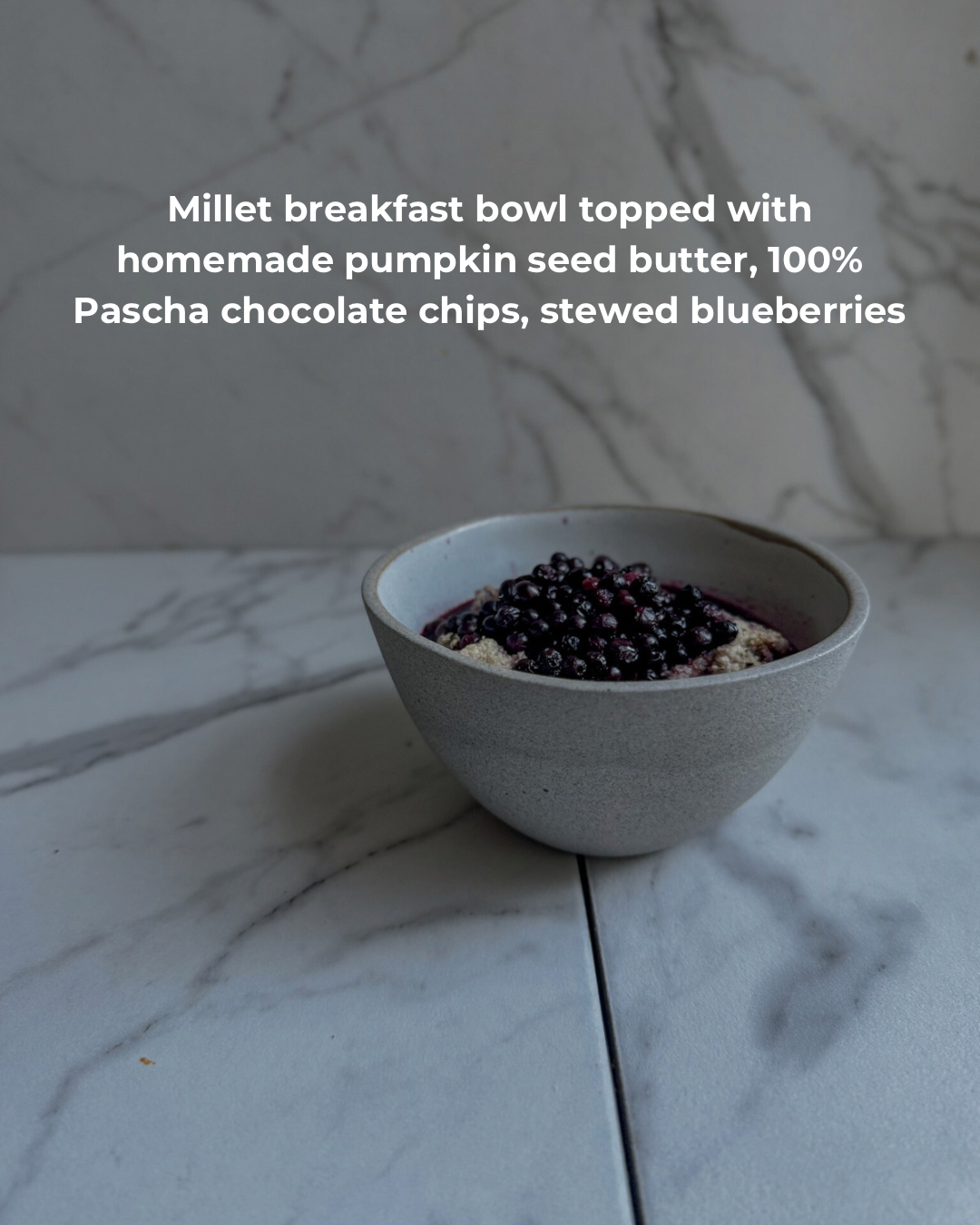
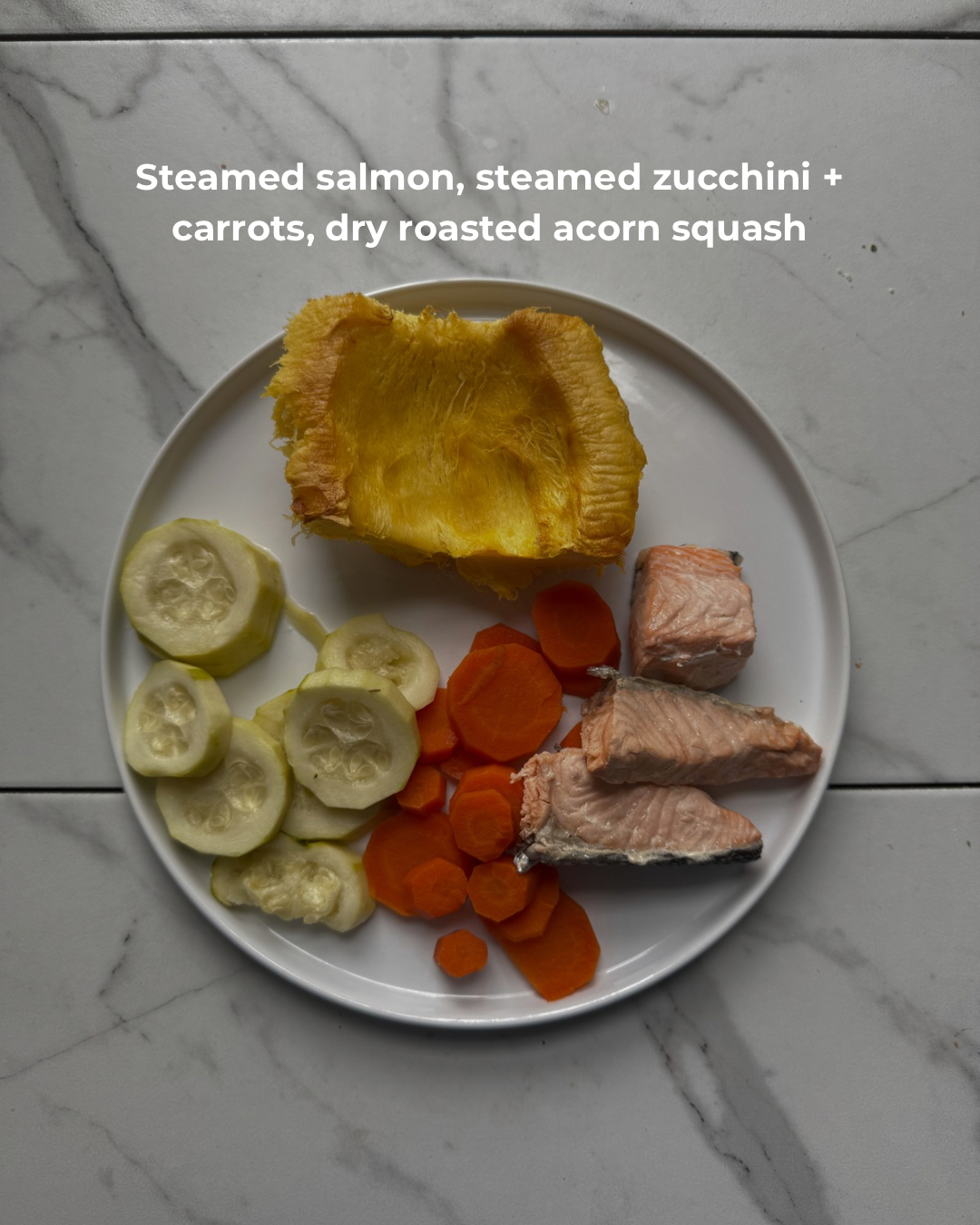
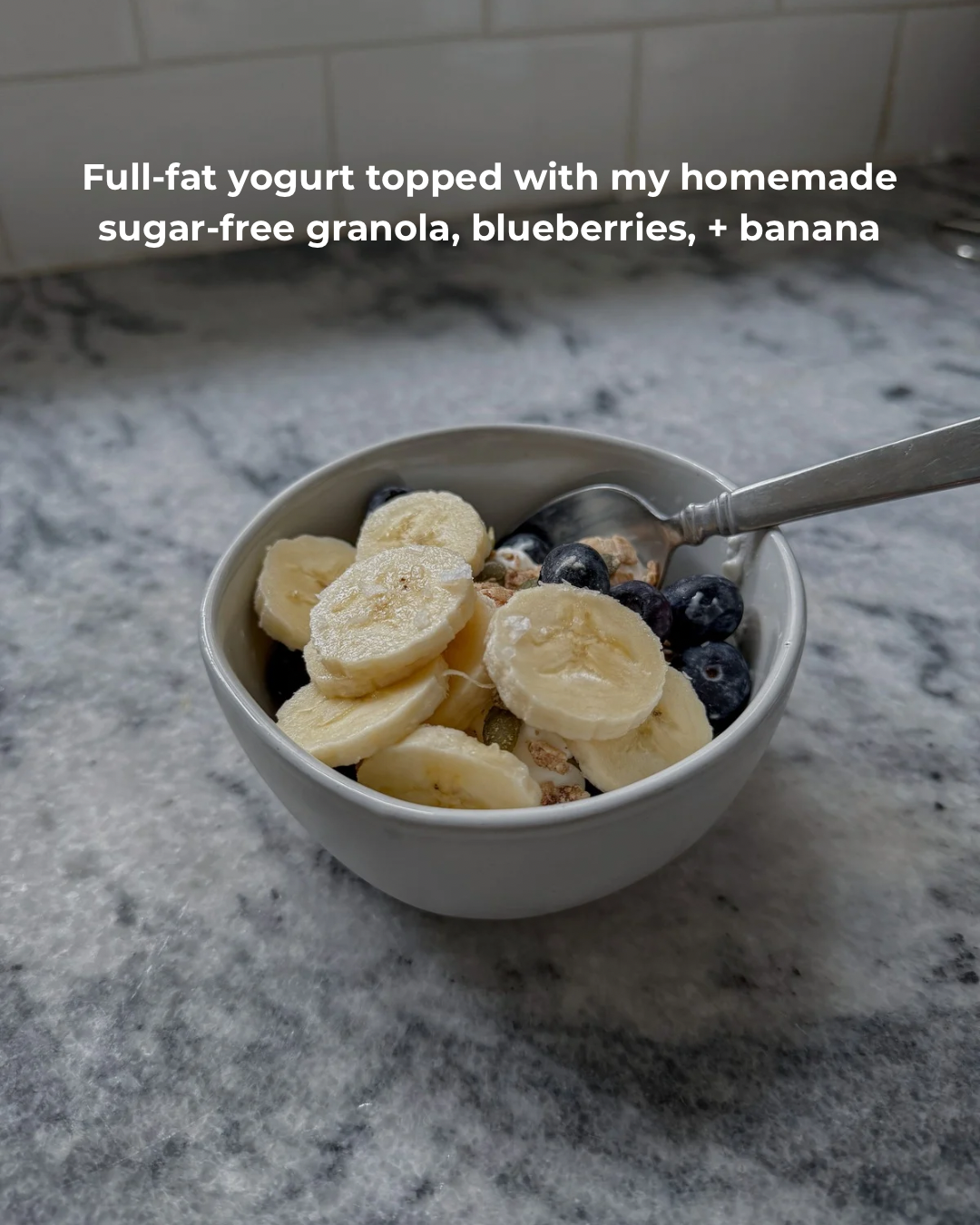
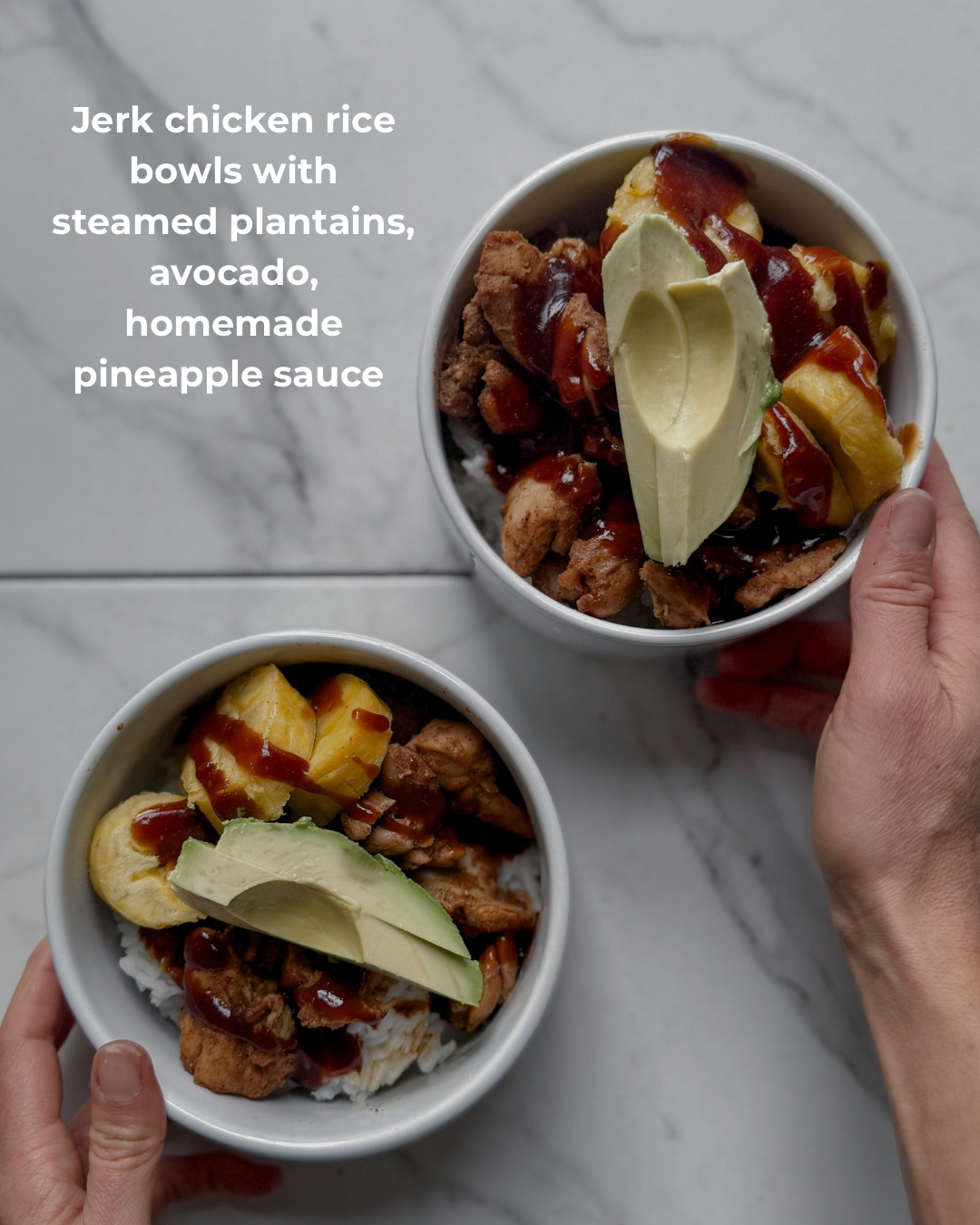
Some helpful links:
- Bloom supplements collagen/colostrum blend
- Manuka honey I love
- Millet
- Pascha 100% chocolate chips (unsweetened)
- The yogurt I eat almost every day
- My 3-ingredient sugar-free granola
- Jerk chicken bowls (recipe)
- My water-based cooking e-book with over 50 gluten-free, easy-to-digest recipes