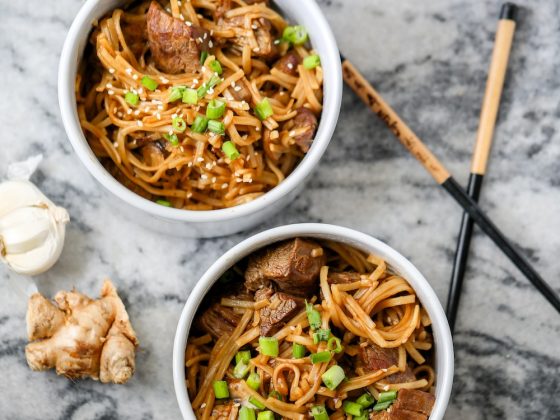
The number one question I get about water-based cooking is, Does the food taste bland? And I won’t sugarcoat it. Over the past seven months, I did sacrifice some flavor in service of gut healing. For me, that meant getting back to basics, choosing highly digestible foods, and letting go of fancy ingredients and complicated sauces in favor of simpler meals. Sometimes what I ate was bland, but honestly, a pinch of high-quality sea salt went a long way.
As my digestion began to stabilize, I slowly started bringing flavor back in, while staying rooted in the foundation of gentle, water-based cooking methods. That meant keeping the stars of the show, the proteins, vegetables, and gluten-free grains, prepared using water-based techniques, and treating spices and sauces as accents rather than the main event.
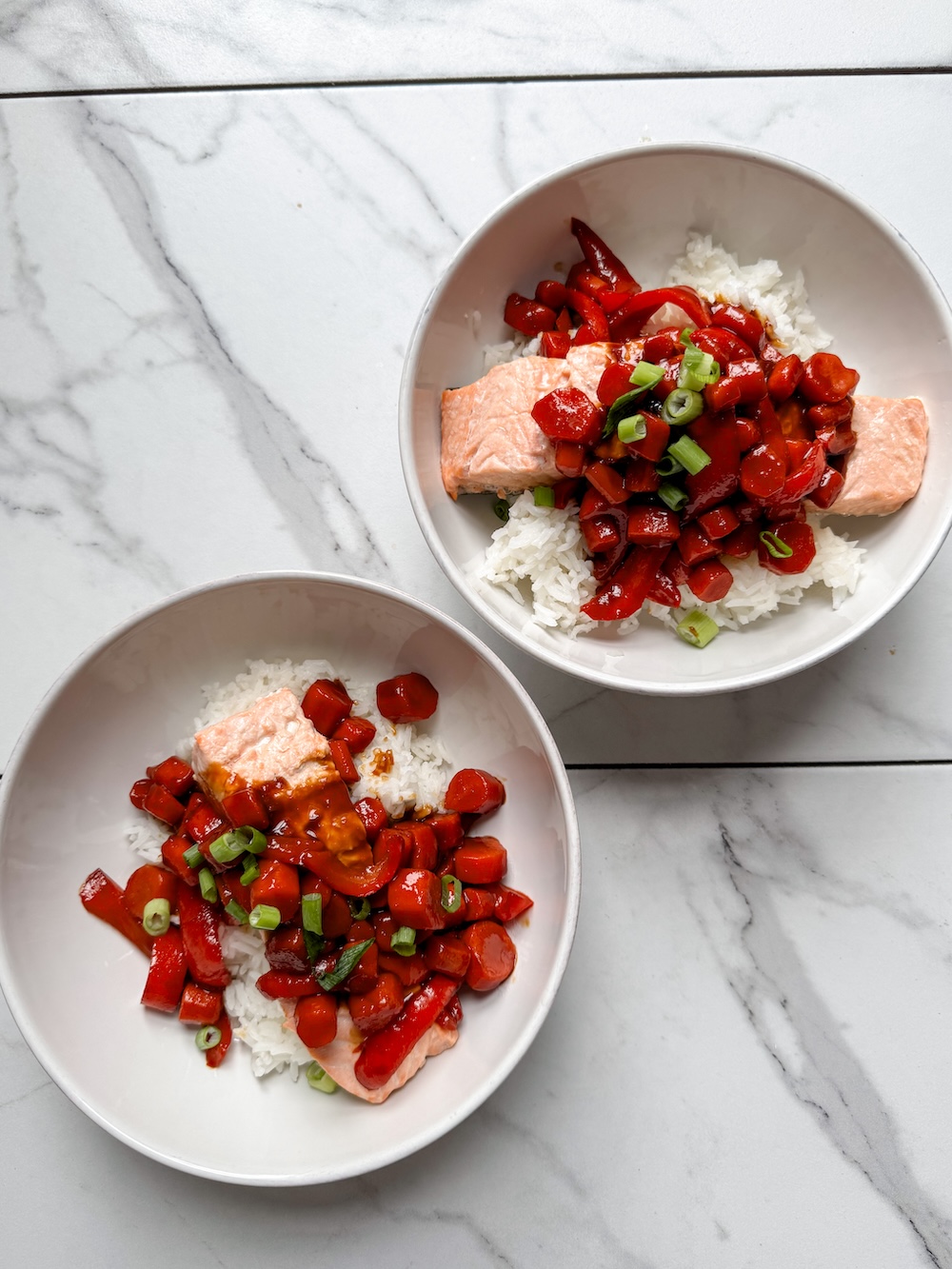
This Asian-inspired salmon dish is a perfect example. It’s a recipe I’ve been playing with over the past few months, and I’ve landed on a step-by-step process that truly offers the best of both worlds. When someone hears “steamed salmon,” they often assume it will be bland or boring. But when it’s paired with sauce-coated vegetables, the salmon gently absorbs those flavors and comes together in a way that’s both nourishing and delicious.
Here is how I make it, And if you prefer a visual walkthrough, check out the recipe reel on my Instagram.
Step 1: Steam the veggies and salmon
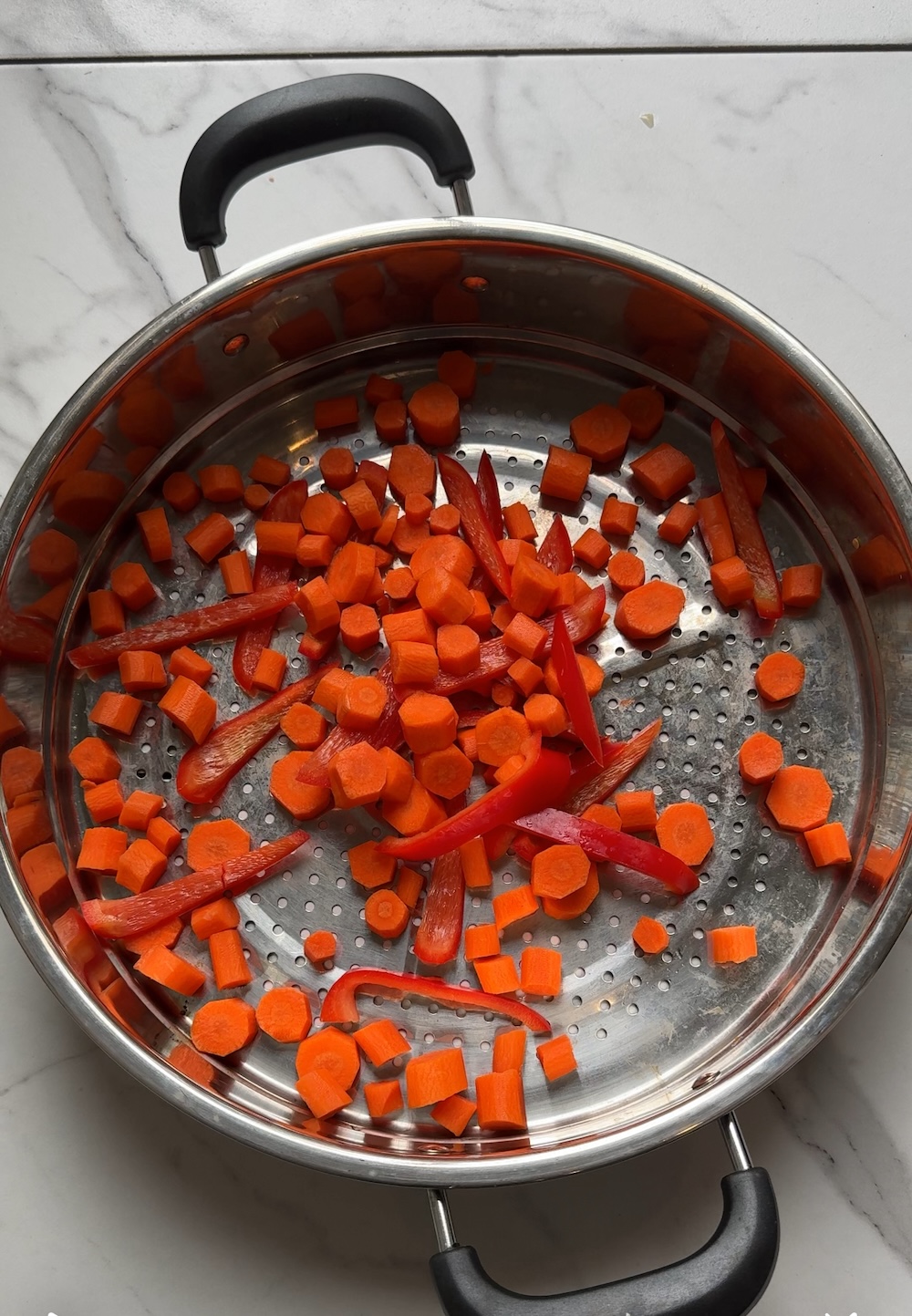
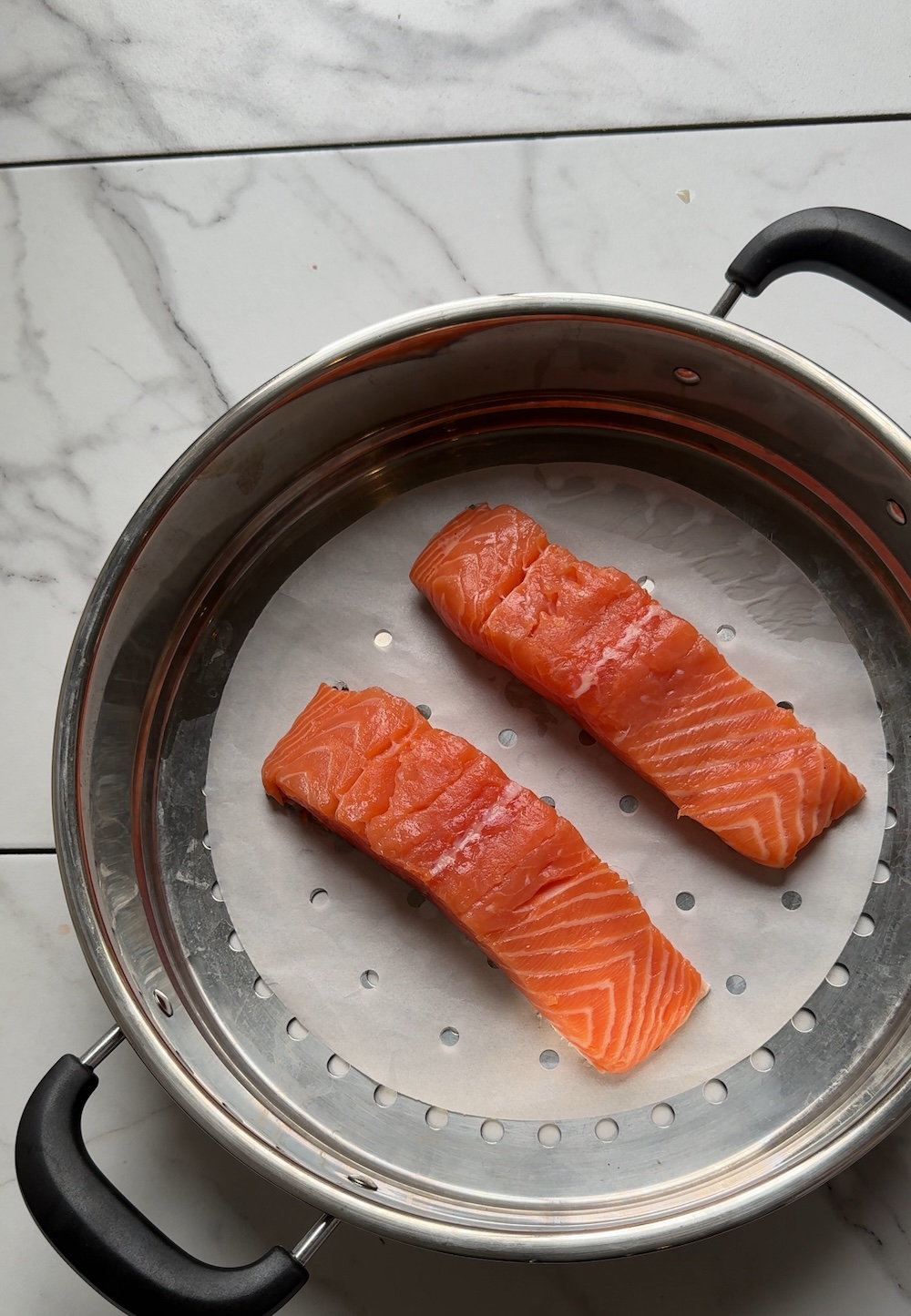
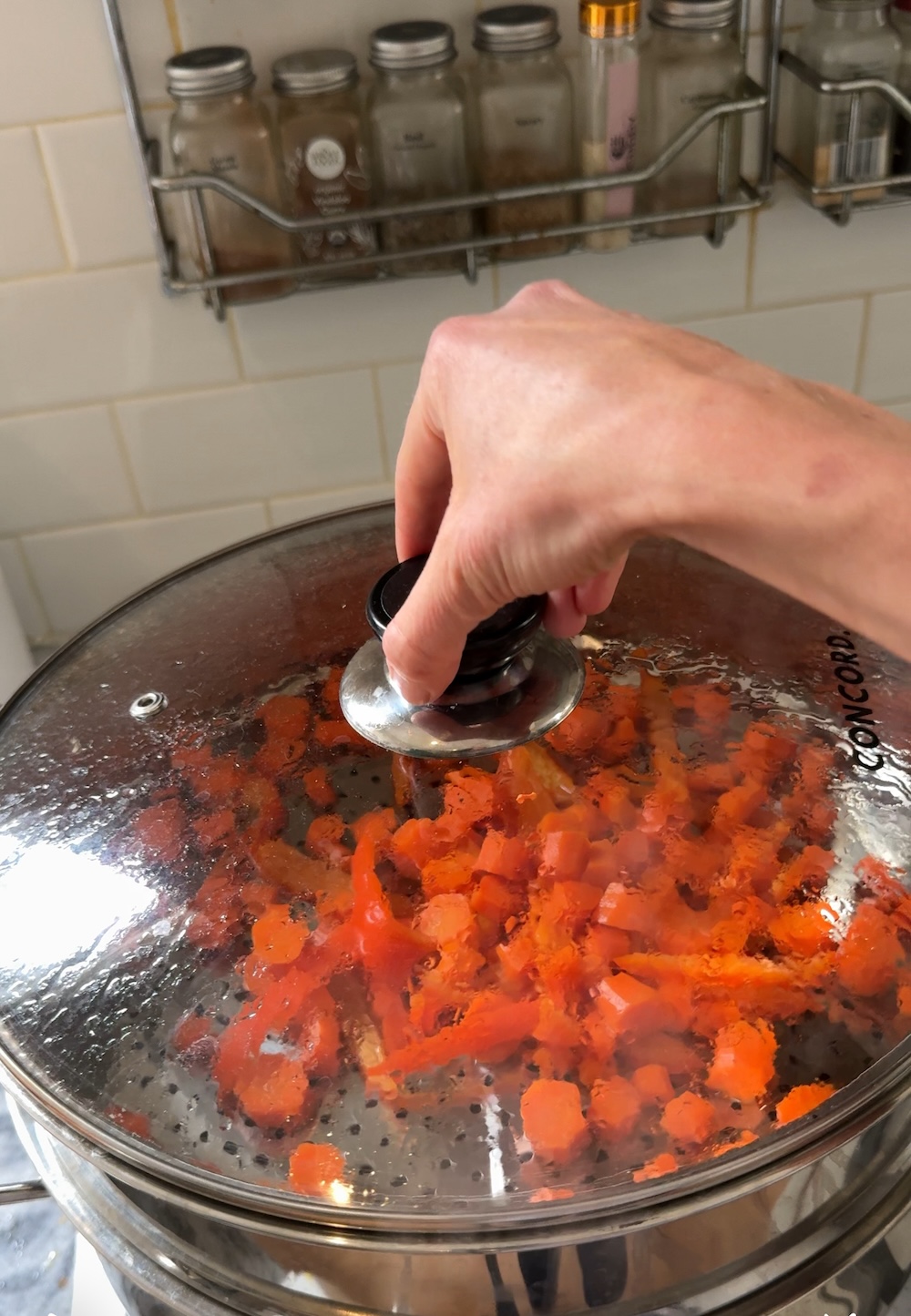
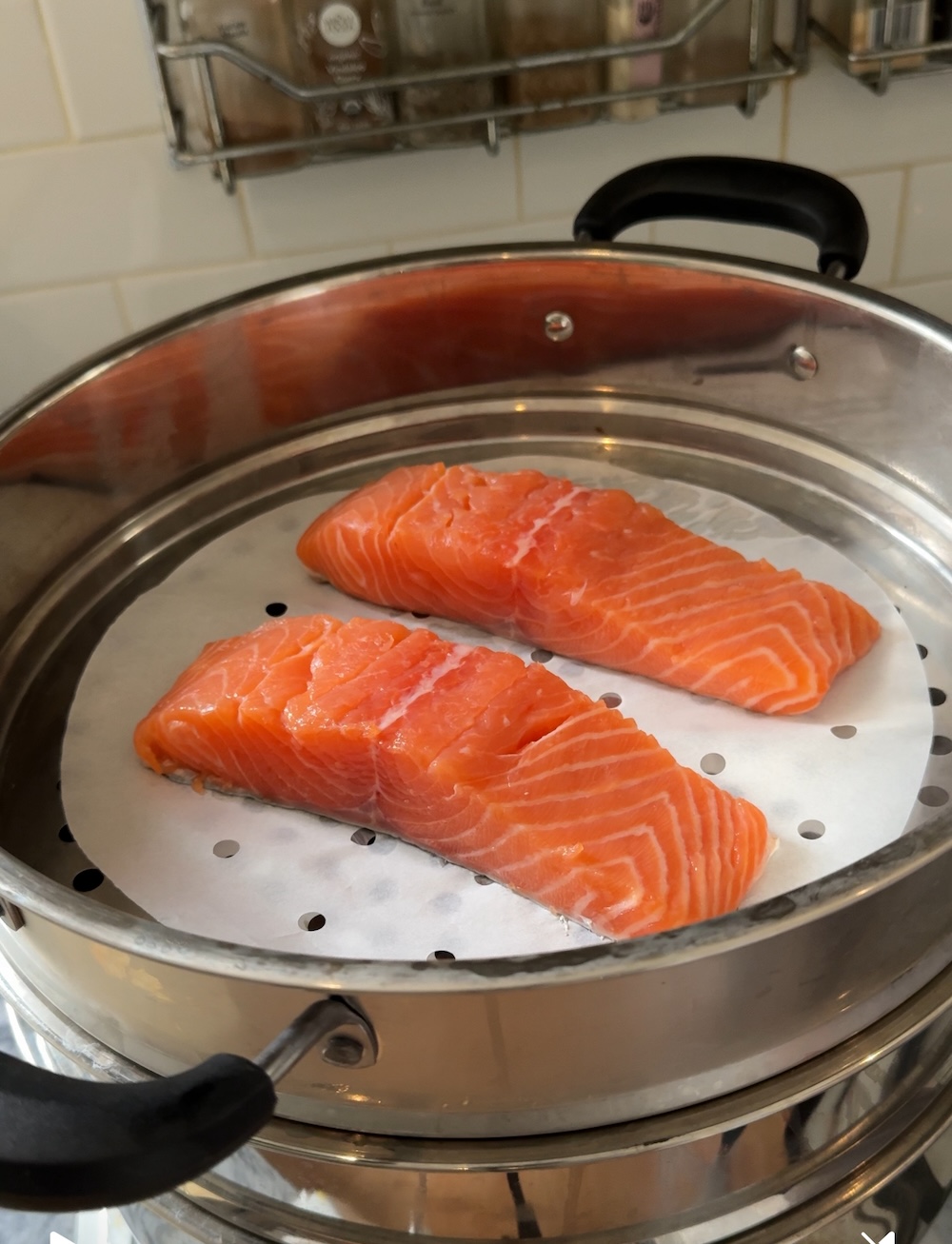
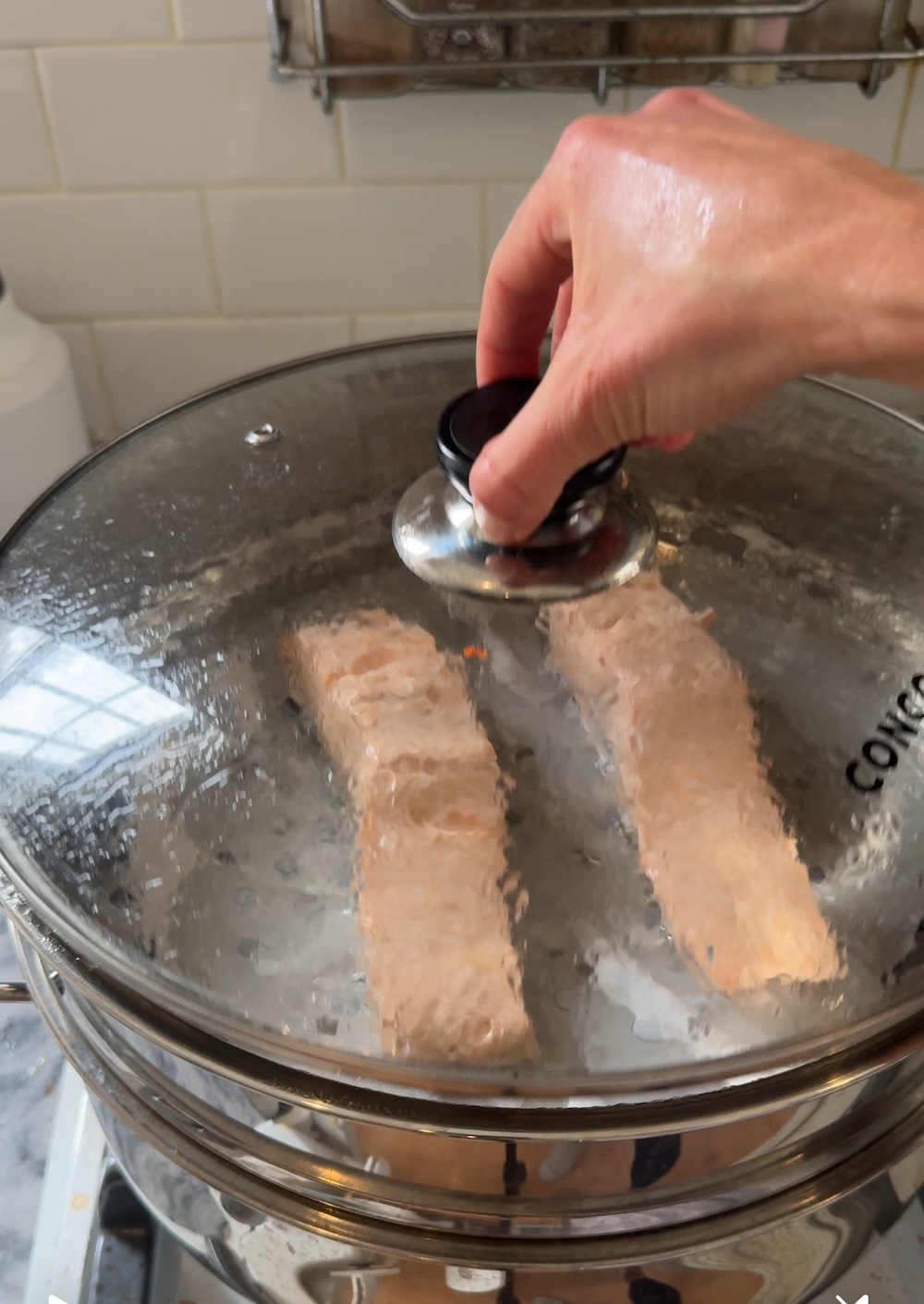
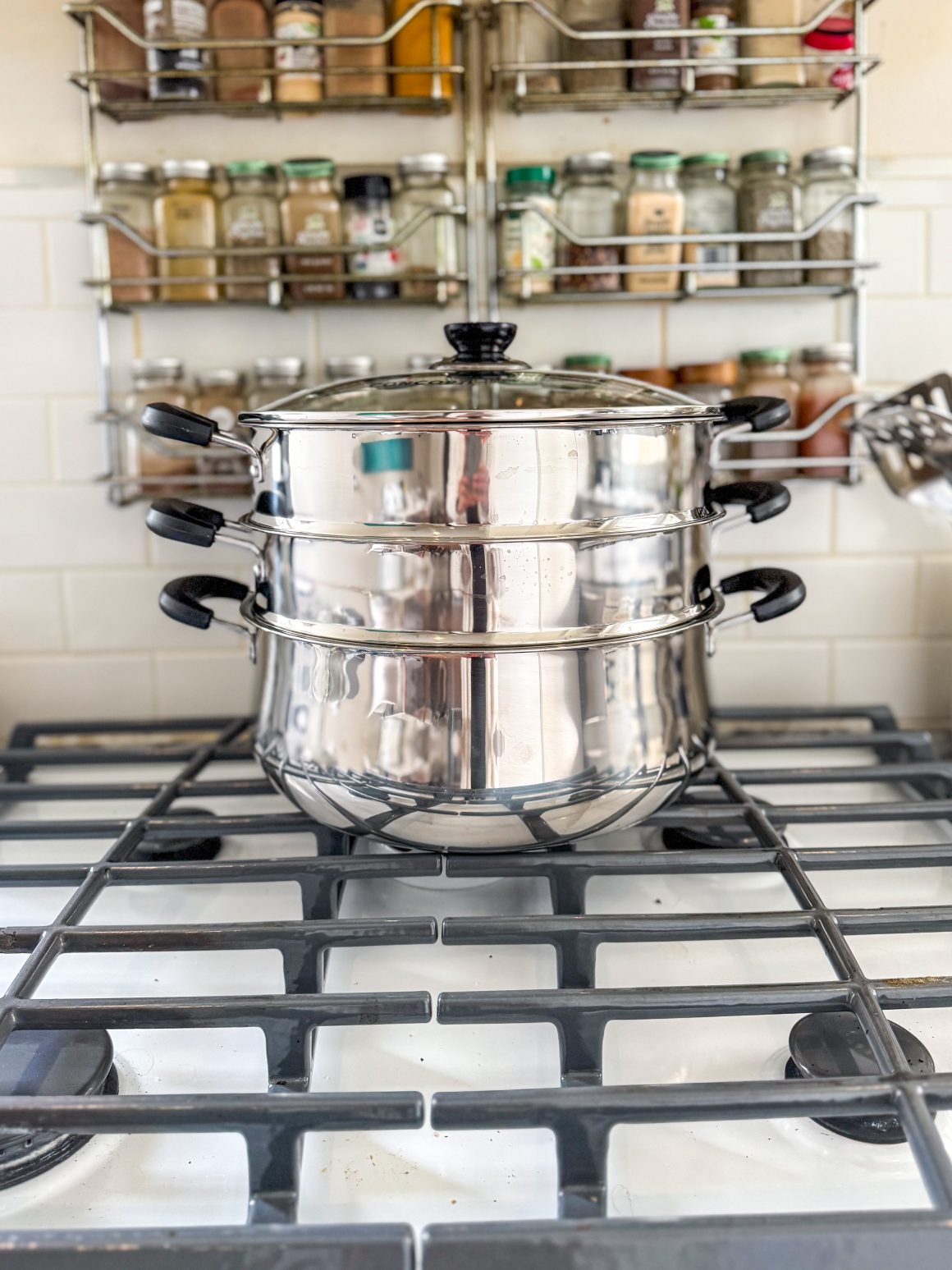
Very early on in my gut-healing journey, I found this three-tier steamer pot and have used it almost every day since. Before that, I relied on a steamer insert placed inside my Dutch oven. It worked, but I love that this setup allows me to steam multiple foods at once, like proteins and vegetables, so meals come together more efficiently. It has easily become one of my most-used kitchen tools, and I highly recommend it.
For this recipe, the vegetables need a bit longer to steam, about 25 minutes total, while the salmon takes closer to 15 minutes. I start by steaming the vegetables first, then about 10 minutes in, I add the salmon to another layer of the steamer so everything finishes cooking at the same time.
Step 2: Make the sauce
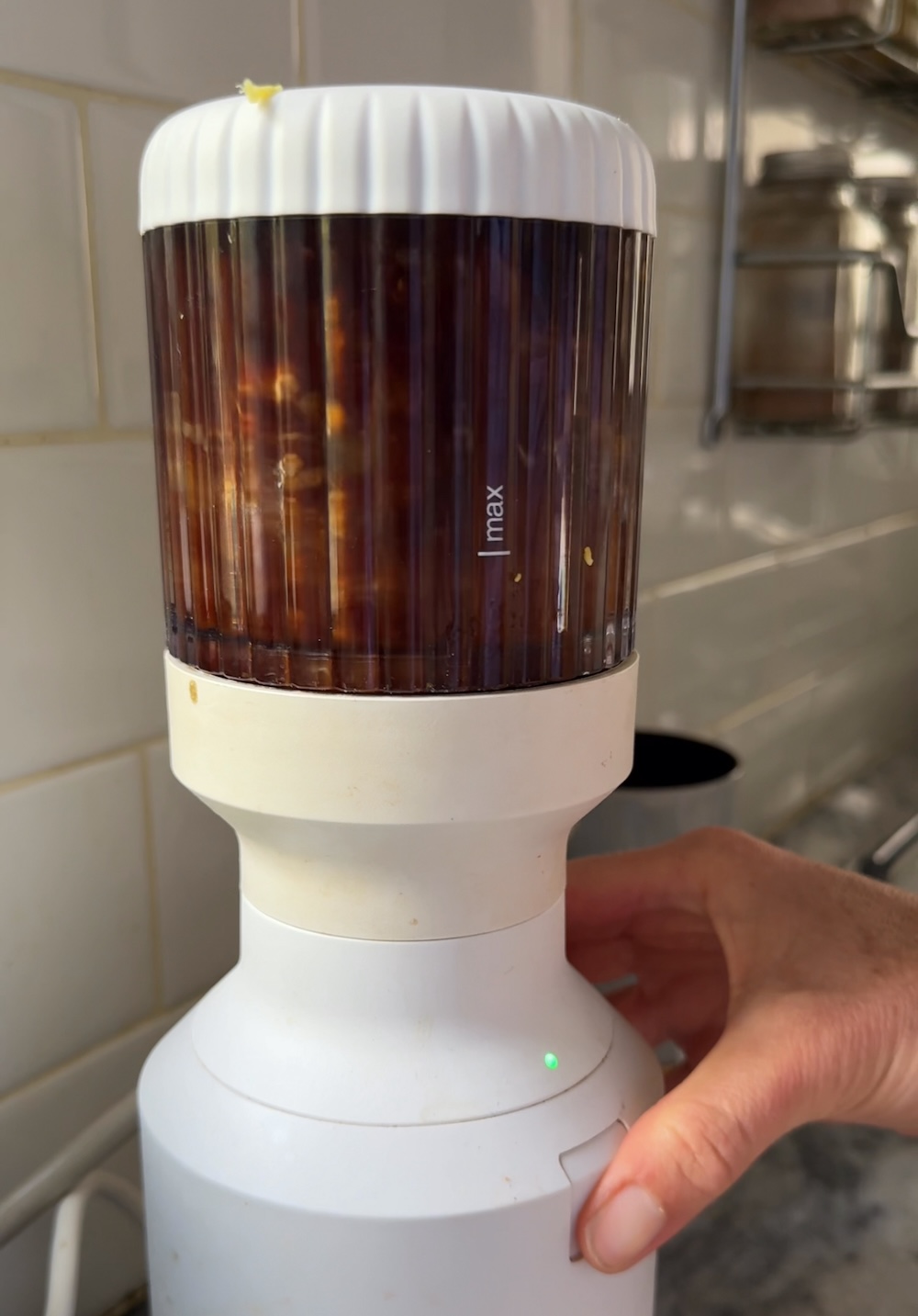
I use my Beast blender to make most of my sauces these days, but you could also whisk everything by hand.
Step 3: Mix the sauce with the steamed veggies
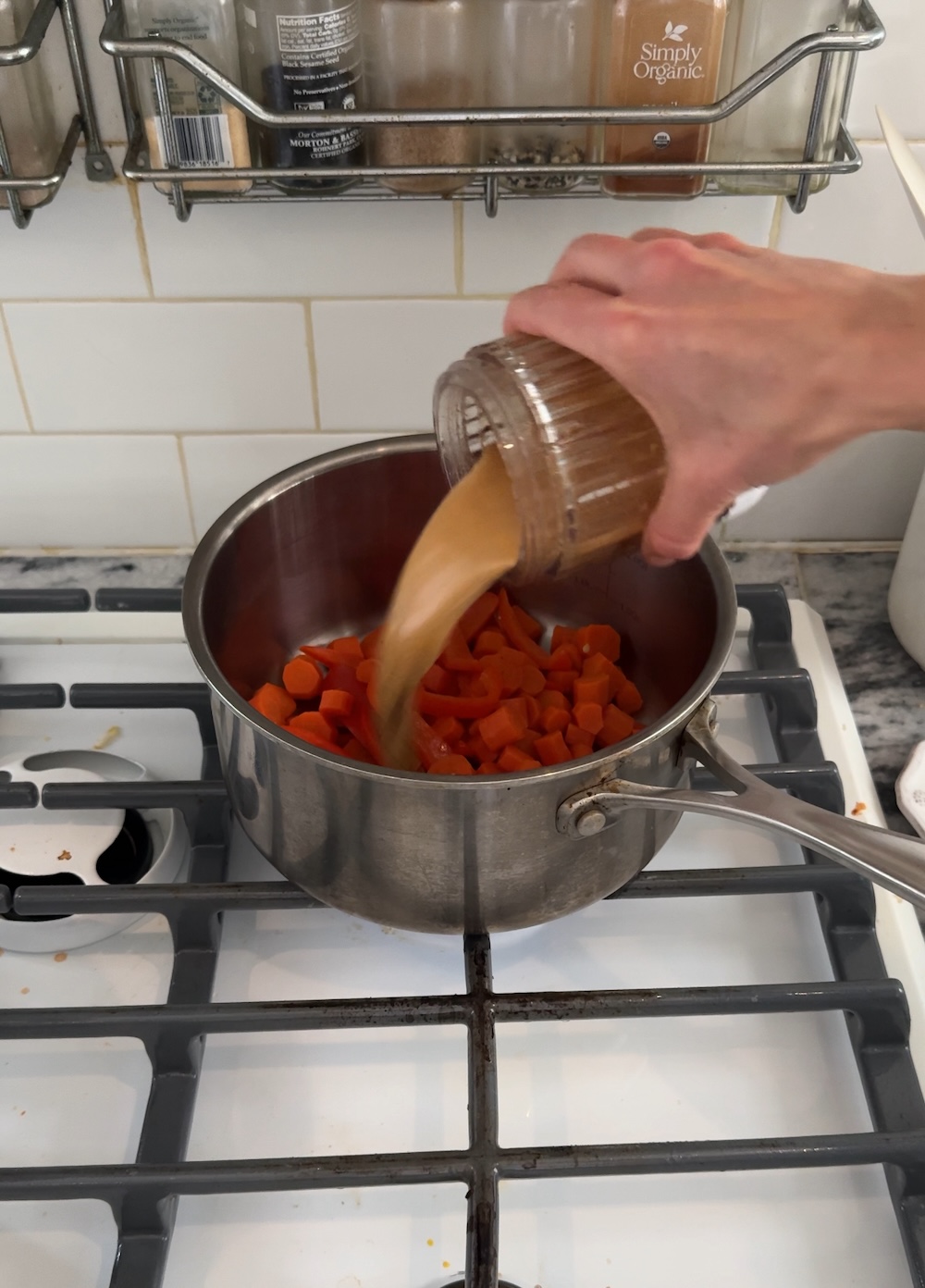
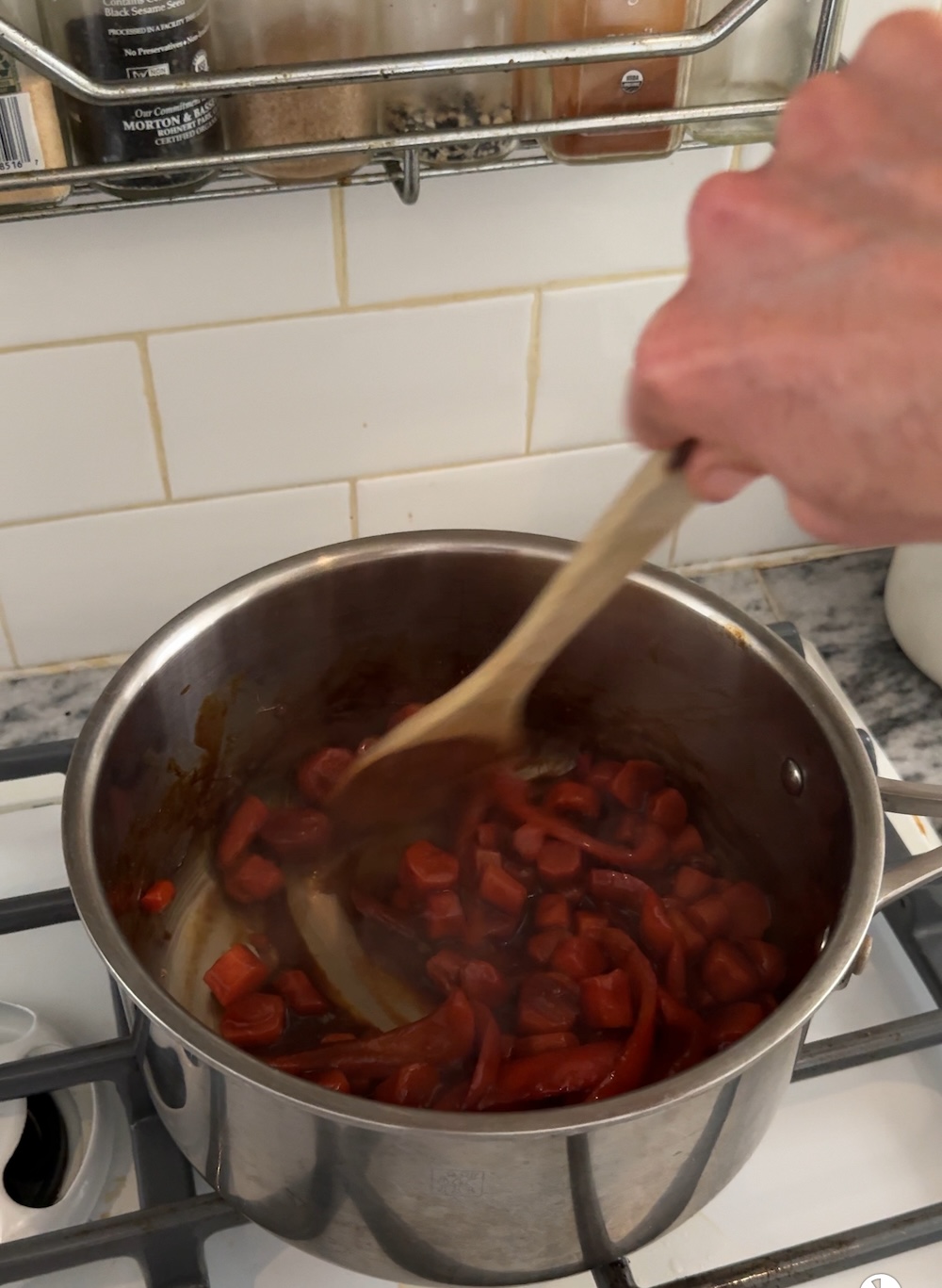
After blending or whisking, you’ll notice the sauce is quite thin. That’s exactly what you want at this stage. The arrowroot starch thickens the sauce once it’s heated, which is why I like to combine it with the steamed vegetables in a medium saucepan until everything is well coated. This takes about 5 to 7 minutes. As it warms, the sauce thickens and reduces, creating a flavorful, glaze-like consistency.
Step 4: Serve
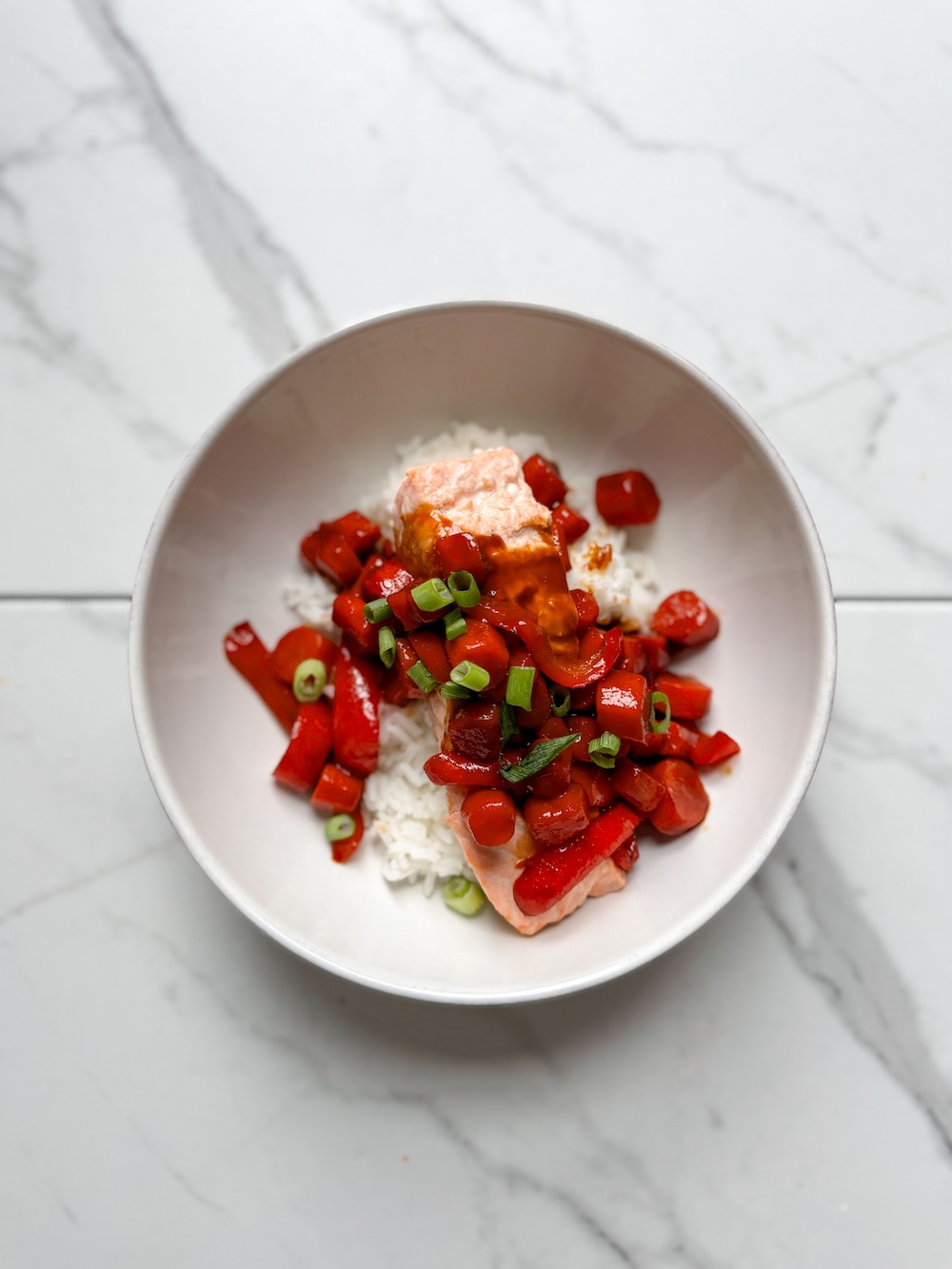
I love serving this salmon over white rice, but you can absolutely use cauliflower rice or another base of your choice. I like to plate the salmon first, then spoon the vegetable mixture over top so the salmon can absorb some of that saucy goodness, which adds even more flavor to the gently steamed fish.
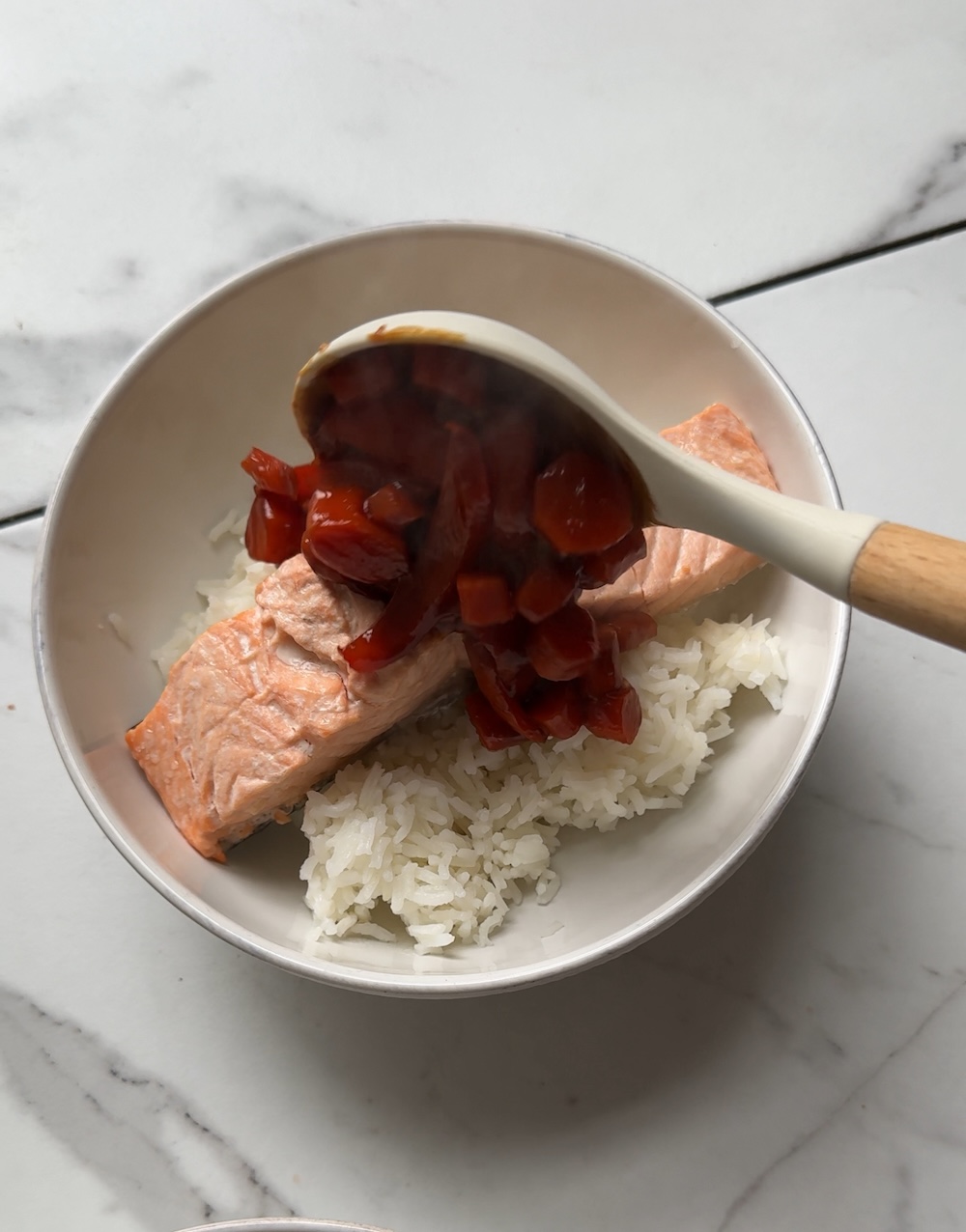
Garnish with sliced green onion and sesame seeds if desired, and dinner is done!
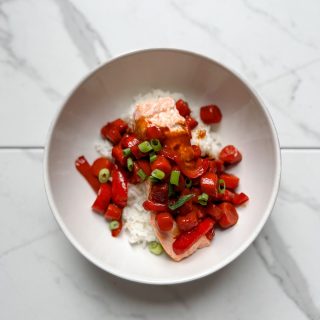
Asian-Inspired Salmon with Carrots & Red Bell Pepper
Equipment
- 3-tier steamer pot optional
- saucepan
Ingredients
For the bowls
- 2 6-ounce salmon filets
- 2-3 cups sliced carrots from about 7-10 medium carrots
- 1 red bell pepper sliced thin
- 2 tablespoons diced green onion optional
- Sesame seeds for garnish optional
- Cooked white rice or cauliflower rice for serving
For the sauce
- ½ cup coconut aminos
- 1 tablespoon rice vinegar optional
- 1 tablespoon honey
- 2 teaspoons sesame oil omit for oil-free
- 2 garlic cloves minced
- 1 teaspoon grated ginger
- ½ teaspoon fish sauce optional
- 2 teaspoons arrowroot starch
Instructions
- Steam or cook the vegetables. If you have a 3-tier steamer pot, you can follow the directions above. Steam for about 25 minutes until fork tender or in a large pot or deep skillet over medium high heat, add enough broth to cover the bottom (about ½ cup). Add the carrots and red bell pepper. Cover, and cook for about 10 to 12 minutes or until the vegetables are tender and have brightened in color. Stir occasionally and add more broth as needed to prevent the bottom from burning.
- Steam or poach the salmon. In a large pot fitted with a steamer basket or in a steamer pot, add a few inches of water and bring to a boil. Steam the salmon for 12 to 14 minutes, or until the internal temperature reaches 145 degrees F (cook time will depend on the size of your filets). Otherwise, cook the salmon according to your preference (bake or pan sear).
- Make the sauce. In a small bowl or blender, add the coconut aminos, rice vinegar, honey, sesame oil, garlic, ginger, fish sauce, and arrowroot starch. Whisk or process until creamy.
- If you cooked the vegetables in a large pot (rather than steaming), you can pour the sauce right in to coat and thicken. Otherwise, transfer the steamed vegetables to a medium saucepan with the sauce, and cook for about 5 to 7 minutes, or until the vegetables are coated and the sauce has thickened and slightly reduced.
- Serve. Place cooked rice or base of choice in two serving bowls. Top with the steamed salmon and vegetable mixture, drizzling with any extra sauce. Garnish with green onions and sesame seeds if desired. Serve warm.
Notes
I hope this recipe inspires you to see how flavorful and fulfilling water-based cooking can be! If you make it, tag me on Instagram @healthified and share how it turned out! And if you liked this recipe, you will love the 50+ other recipes in my e-book: Water-Based Cooking.